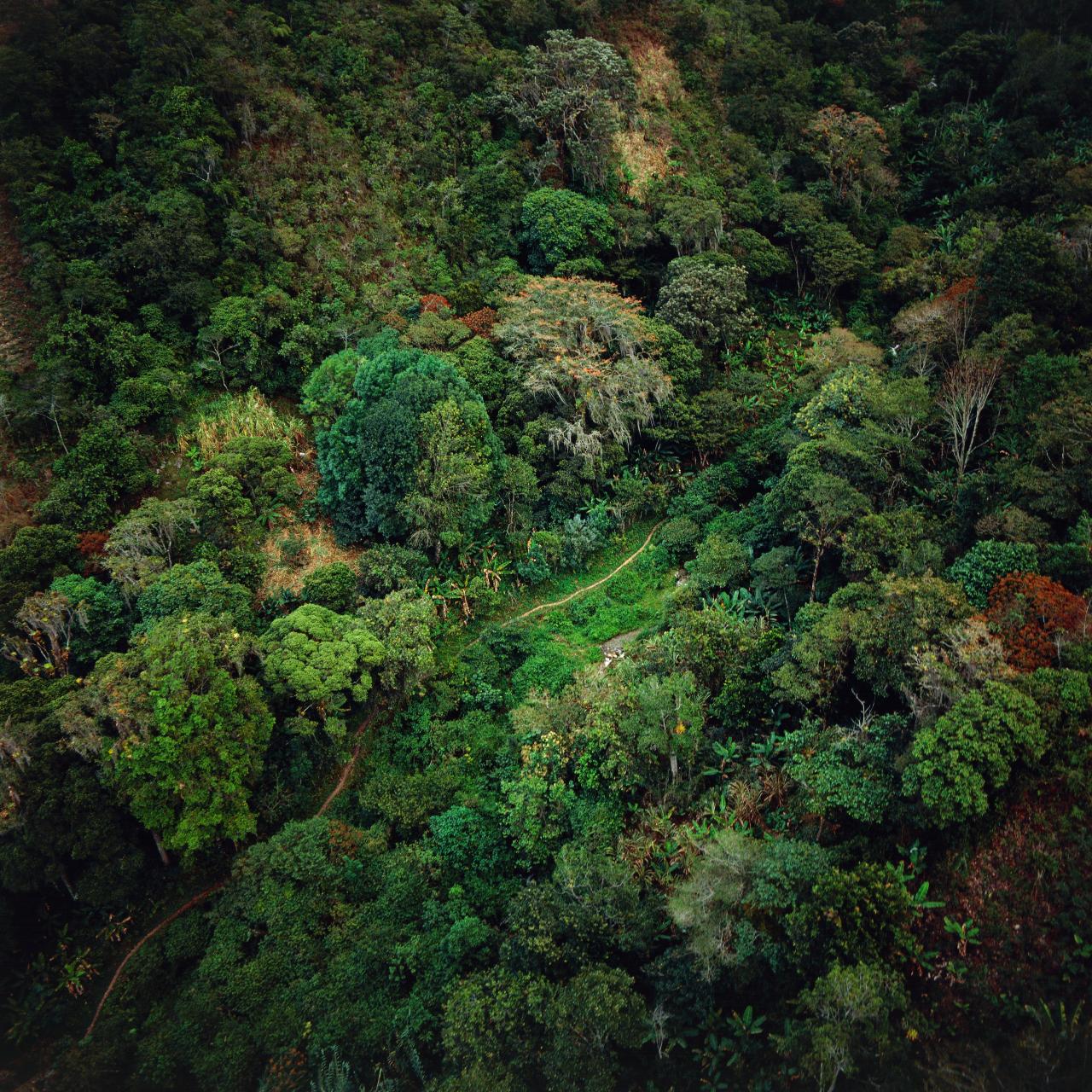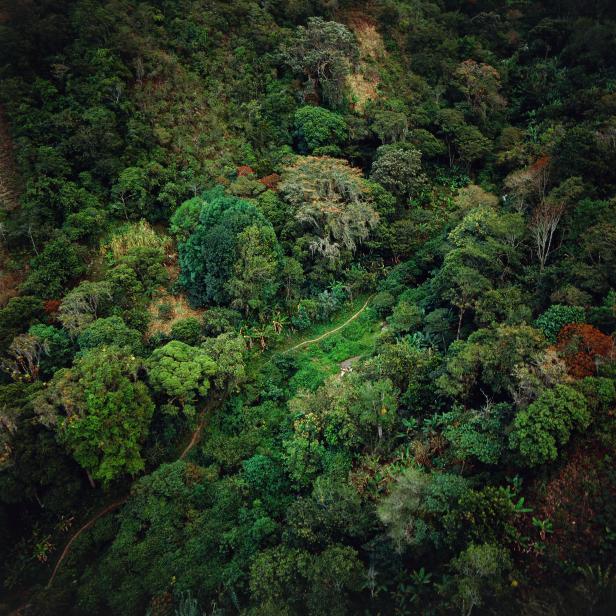
UNSPECIFIED - AUGUST 01: Aerial view of Amazon rainforest near Merida in Amazonas State, Venezuela (Photo by DeAgostini/Getty Images)

480827997

UNSPECIFIED - AUGUST 01: Aerial view of Amazon rainforest near Merida in Amazonas State, Venezuela (Photo by DeAgostini/Getty Images)

Photo by: DEA / P. JACCOD

DEA / P. JACCOD

The “Lungs of Our Planet” are Under Threat

World Rainforest Day is June 22, bringing awareness and action to save these precious ecosystems. But if the current rate of deforestation continues, will there be any rainforests in 100 years?

June 22, 2020

The beauty and biodiversity of rainforests are nothing short of awe-worthy. We often catch ourselves mid-daydream about taking an adventure to experience it with our own eyes one day. On this World Rainforest Day, we celebrate these amazing ecosystems that are vital for the survival of life on Earth but caution how human impact may destroy them forever.

480827985

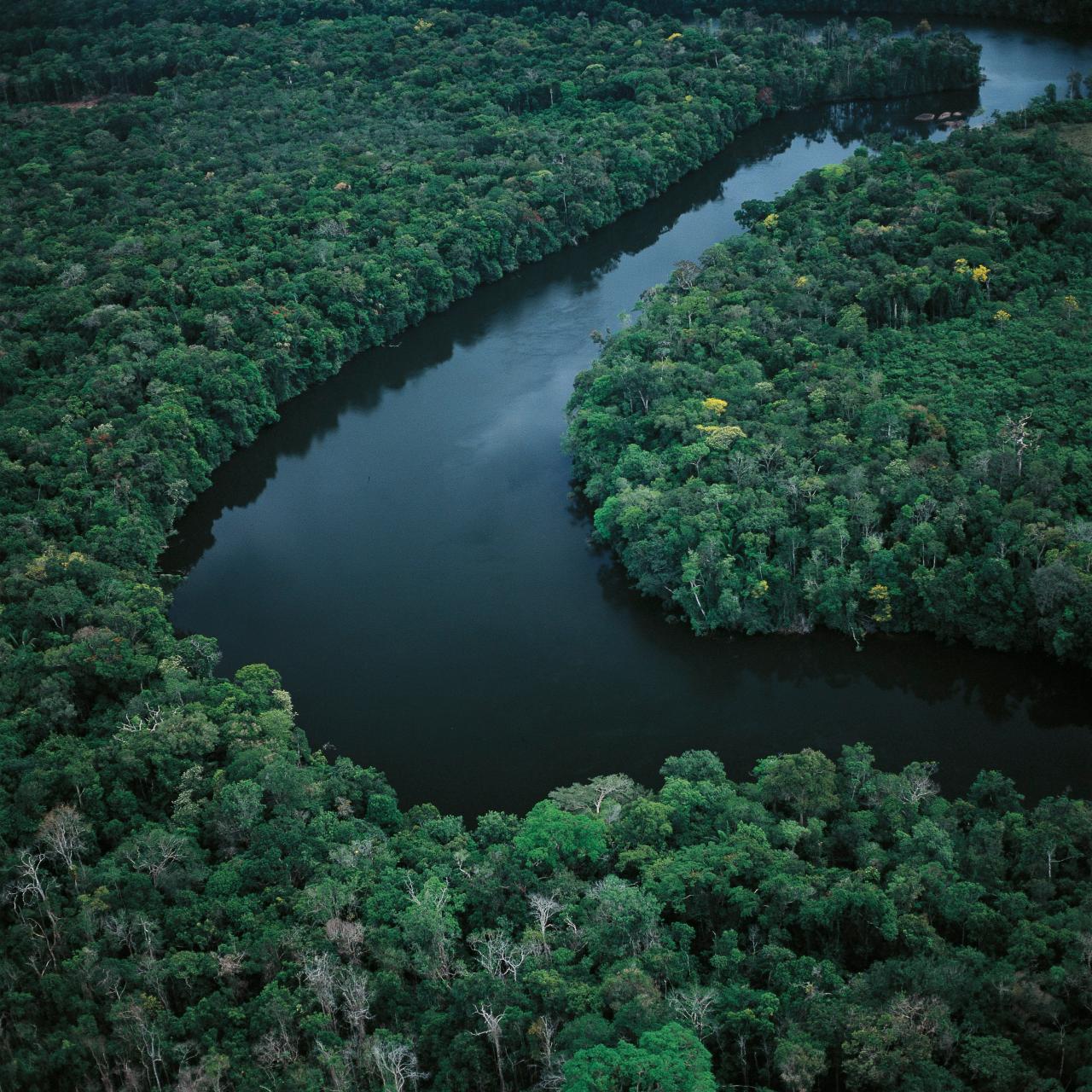
UNSPECIFIED - AUGUST 01: Aerial view of Amazon rainforest in Amazonas State, Venezuela (Photo by DeAgostini/Getty Images)

Photo By: DEA / P. JACCOD

976727280

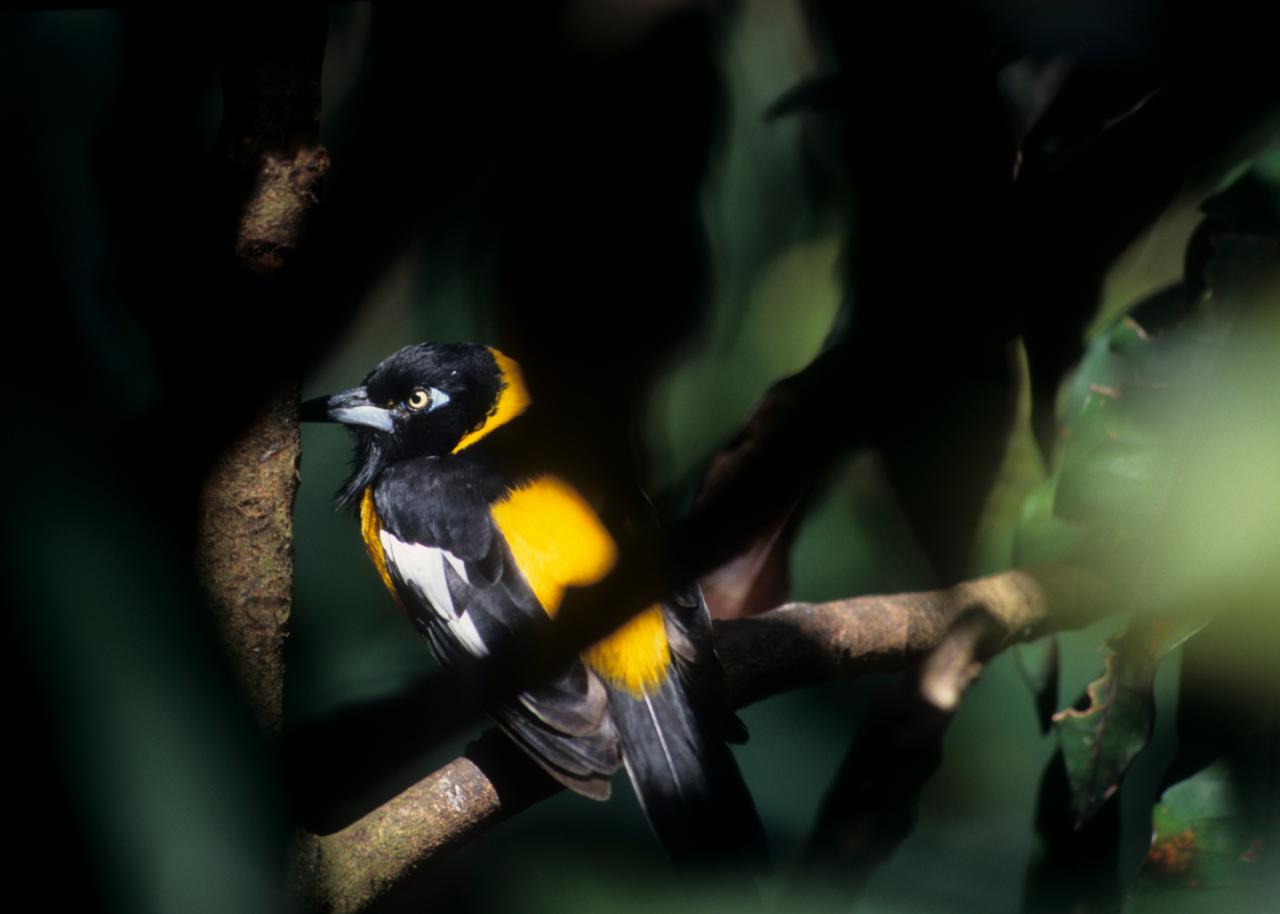
Yellow and black bird in the tropical rain forest, Costa Rica.

Photo By: DEA / V. GIANNELLA

1221565854

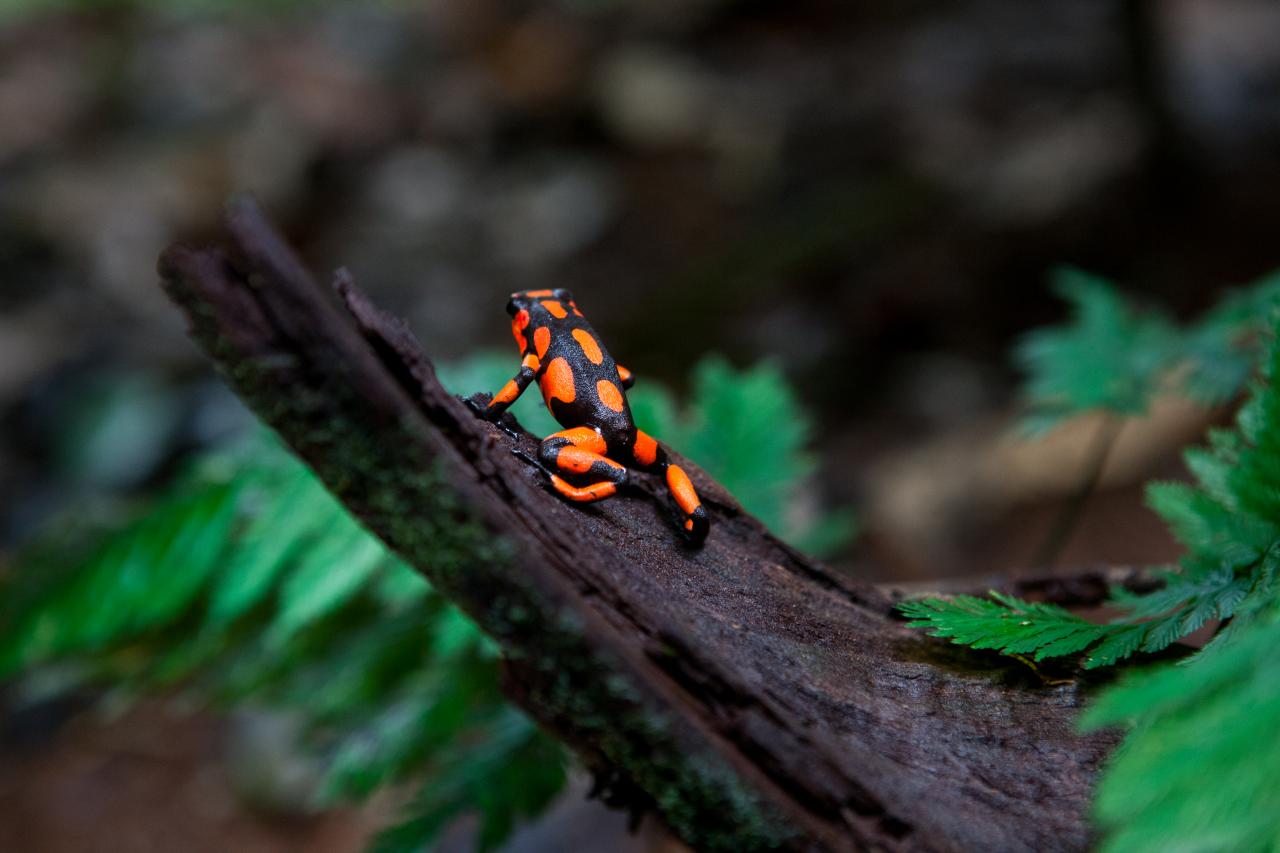
UTRIA NATIONAL PARK, COLOMBIA - OCTOBER 4: A poisonous Harlequin Dart Frog seen on a tree trunk in the Colombian jungle on October 4, 2012 in Utria National Park, Colombia. The Utria National Park lies in the Pacific northern coast of Colombia, in the Department of Chocó. It contains a very diverse flora and fauna in a lush, mountainous rainforest environment with some of the highest rainfall in the world, at up to 10,000 millimetres annually. The jungle falls into the calm and warm waters of the Pacific Ocean, in an area that becomes propitious for the arrival of an array of migratory species including whales. (Photo by Ronald Patrick/Getty Images)

Photo By: Ronald Patrick

But First, Facts About Rainforests

According to the Rainforest Foundation:

  • A tropical rainforest is an ecosystem distinguished by being warm and wet. Annual rainfall in an area must be 75 inches at a minimum, and most rainforests get over 100 inches of rain every year.
  • Rainforests have been around for tens of millions of years.
  • Tropical rainforests cover less than 7% of the Earth’s dry land surface.
  • Over half of all plant and animal species in the world call rainforests home.
  • Also known as the “lungs of the planet”, rainforests generate about 20% of the world’s oxygen and its trees play a key role in reducing pollutant levels.
NATURE | Sounds of the Rainforest
Loading Video...

Deforestation and Climate Change

Increasing deforestation and carbon emissions will continue to contribute to change in climate and further affect wildlife—including the destruction of rainforests around the world.

The Rainforest Foundation provides this sobering fact. “The current rate of destruction is about 1 acre each second, which is a bit less than a US football field. Expanded, that amounts to 60 acres/min, 3,600/hour, 86,400/day, 2.6 million/month, and 31.5 million acres per year.”
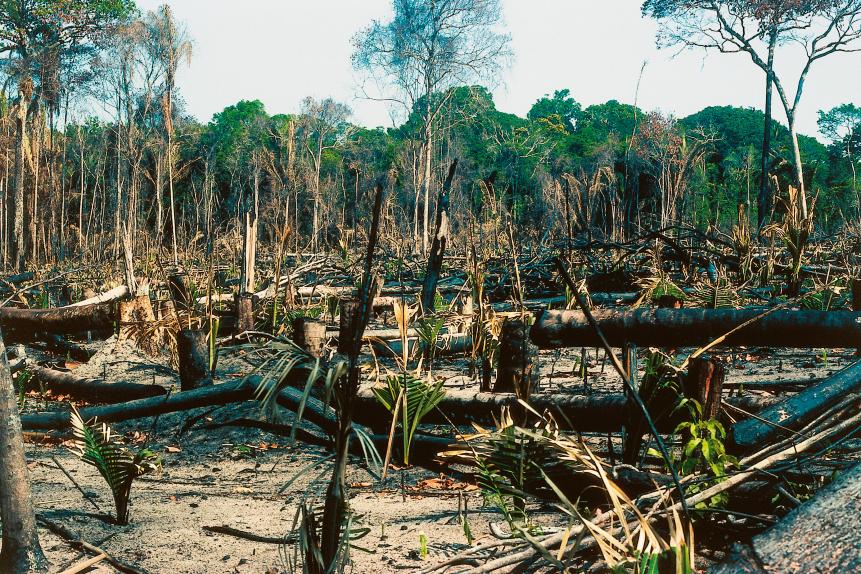
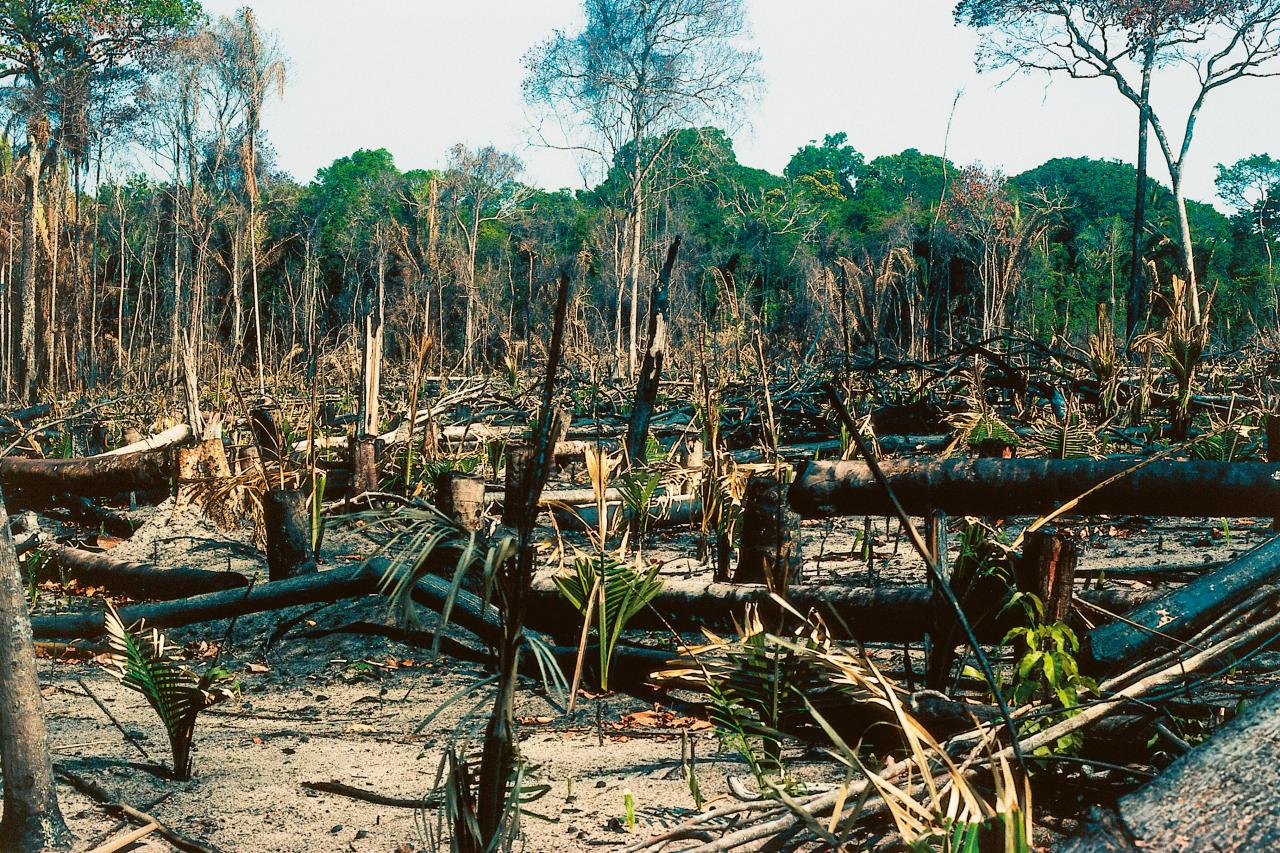
BRAZIL - APRIL 23: Deforestation in the Amazon rainforest, Brazil. (Photo by DeAgostini/Getty Images)

647347451

BRAZIL - APRIL 23: Deforestation in the Amazon rainforest, Brazil.

Photo by: DE AGOSTINI PICTURE LIBRARY

DE AGOSTINI PICTURE LIBRARY

BRAZIL - APRIL 23: Deforestation in the Amazon rainforest, Brazil.

And the organization behind World Rainforest Day says, “deforestation causes 15% of global carbon dioxide emissions that accelerate climate change—more than from all cars in the U.S. and China combined.”

But there are NGOs like the Rainforest Foundation and environmental coalitions like World Rainforest Day that are advocating for natural climate solutions—think protecting and restoring forests—that could help reverse global emissions and make a positive impact on rainforests.
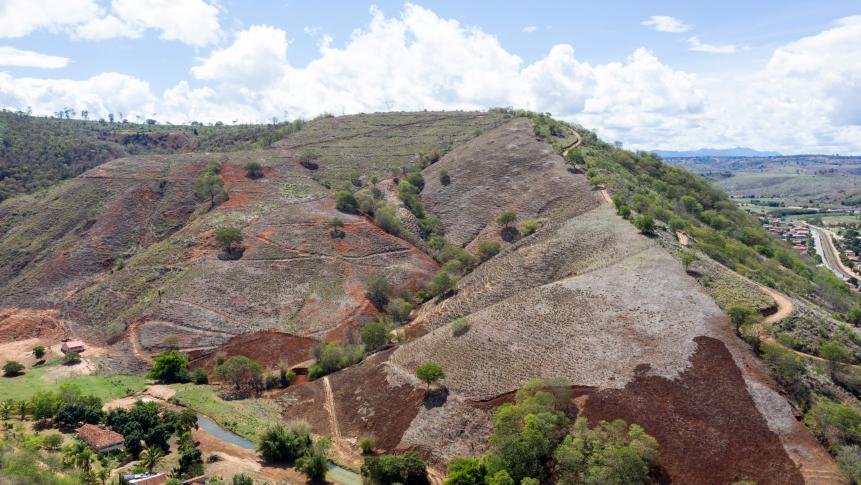
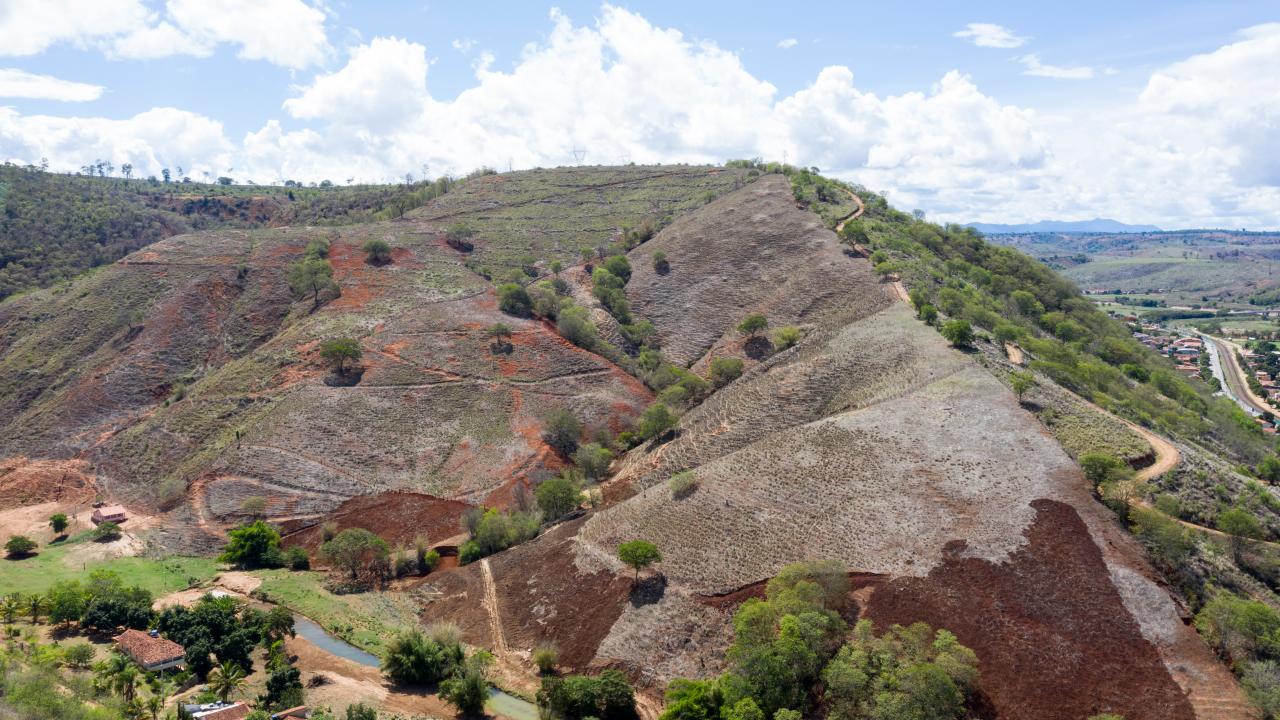
AIMORES, BRAZIL - NOVEMBER 22: Aerial view of  a former well-preserved hill, now deforested by deforestation in the village Aimorés, near the Instituto Terra (about 500 meters away) on November 22, 2019 in Aimorés, Brazil. Instituto Terra, founded in 1998 by the photographer Sebastiao Salgado and his wife, Lelia Deluiz Wanick Salgado, is an environmental NGO, located at Aimores, in the state of Minas Gerais, Brazil. The old Salgado's family cattle ranch was acquired by the couple and, in the last 20 years, over 2.5 million native Atlantic seedlings have been planted. The institute has defined its objectives as restoration of the ecosystem, production of Atlantic seedlings, environmental outreach programs, environmental education and applied scientific research. (Photo by Christian Ender/Getty Images)

1189439909

AIMORES, BRAZIL - NOVEMBER 22: Aerial view of a former well-preserved hill, now deforested by deforestation in the village Aimorés, near the Instituto Terra (about 500 meters away).

Photo by: Christian Ender

Christian Ender

AIMORES, BRAZIL - NOVEMBER 22: Aerial view of a former well-preserved hill, now deforested by deforestation in the village Aimorés, near the Instituto Terra (about 500 meters away).

How You Can Help

  • Stay in the know. Learn more about the significance of rainforests and different initiatives and organizations that help its indigenous communities and wildlife.
  • Purchase Rainforest Safe products. From paper and wood products to coffee, chocolate, and bananas, check to see what you’re buying has a Rainforest Alliance Certified™ seal or is made from recycled materials.
  • Reduce your beef consumption. Rainforests are being cleared to make room for cattle farms that contribute to the meat distribution industry around the world. Plus, cattle is responsible for a high percentage of greenhouse gas emissions, methane, which is much more potent than carbon dioxide.

Next Up

Top Five Rarest Bottom Dwellers

National Insect week occurs between June 20 -26. The week focuses on the importance of insects within ecosystems, nature, and wildlife. Insects do have a bad reputation, as some are a nuisance, and some are scary, but each plays a key role in maintaining order in nature. In celebration of the hard-working insects that you may see in your backyard, here’s a list of the ones you won’t be seeing. The rarest insects on the planet.

An Otterly Adorable Awareness Week

Our southern sea otters at Georgia Aquarium are furry, energetic, and (of course) adorable. They spend most of their days swimming, playing, and eating, but most importantly they inspire our guests to care for our world’s waters.

Coral Reef Survival Relies on Gene Science and Lower Emissions

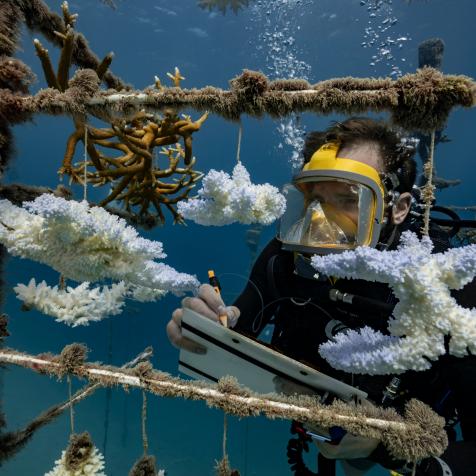
Coral reefs across the world are under threat as global warming raises sea temperatures and the oceans become more acidic from absorbing carbon dioxide. While nations work to reduce industrial greenhouse gases, including carbon dioxide, helping coral to adapt to changing conditions could provide welcome relief for affected reefs.

Bald Eagles Made a Comeback But Now They’re Under Threat Again

The resurgence of bald eagles in American skies has been touted as one of the biggest conservation successes in the country – but now scientists say the birds are being poisoned by lead.

Can Ecuador’s New Approach to Monitoring Butterflies Help Save Them?

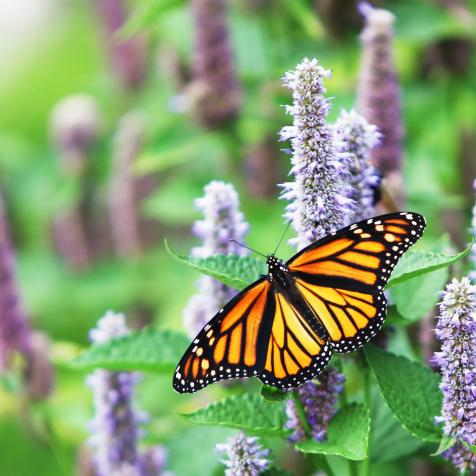
Butterflies, once a familiar sight around the world, are plummeting toward extinction due to colossal threats from pesticides, habitat loss and climate change.

Are Sharks Coming Closer to Our Shores?

Scientists at the University of Miami Rosenstiel School of Marine and Atmospheric Science have speculated that variables related to high urbanization may be driving higher occurrences of sharks within coastal waters. With high increased levels of urbanization in coastal cities, it’s important for our world to understand how ocean life adapts to the changes in their habitats.

Wildfire Outbreaks are Creating Their Own Stormclouds and Fire Tornadoes

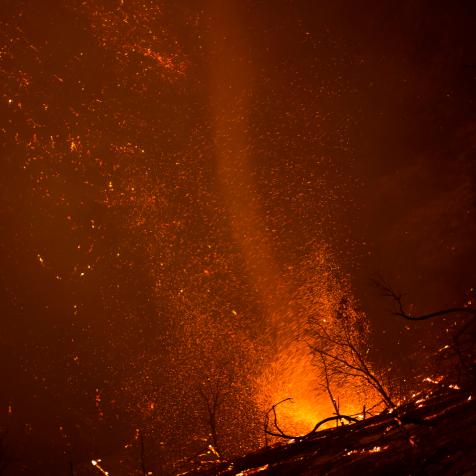
Large wildfires are becoming more frequent as the planet warms and the heat, smoke, and gases they generate add to climate change. What is less well known is they can create their own weather. In 2021, California’s Dixie Fire generated its own giant storm clouds, lightning, and fiery whirlwinds.

World of Bees: Science Creates a Buzz with First Global Species Map

Bees are the planet’s chief pollinators and possibly the most important species when it comes to plant and human survival. So the fact that they are becoming endangered due to climate change, pesticides and habitat loss should concern us all.

Sea Otters Play and Grow at Georgia Aquarium

When visiting Georgia Aquarium, you may see our southern sea otters playing with toy keys, Kongs ™, and carwash kelp, or maybe you’ve seen them lounging in a kiddie pool filled with ice. These are all environmental enrichment devices and are essential to the care and health of our animals.

Shape-Shifting is How Some Animals Adapt to Climate Change

On a warming planet, the ability of animals to adapt to climate change can be the difference between survival and extinction.